
Prepare for Apex weather and storms: severe thunderstorm, hurricane season tips, and home readiness checklist for residents.
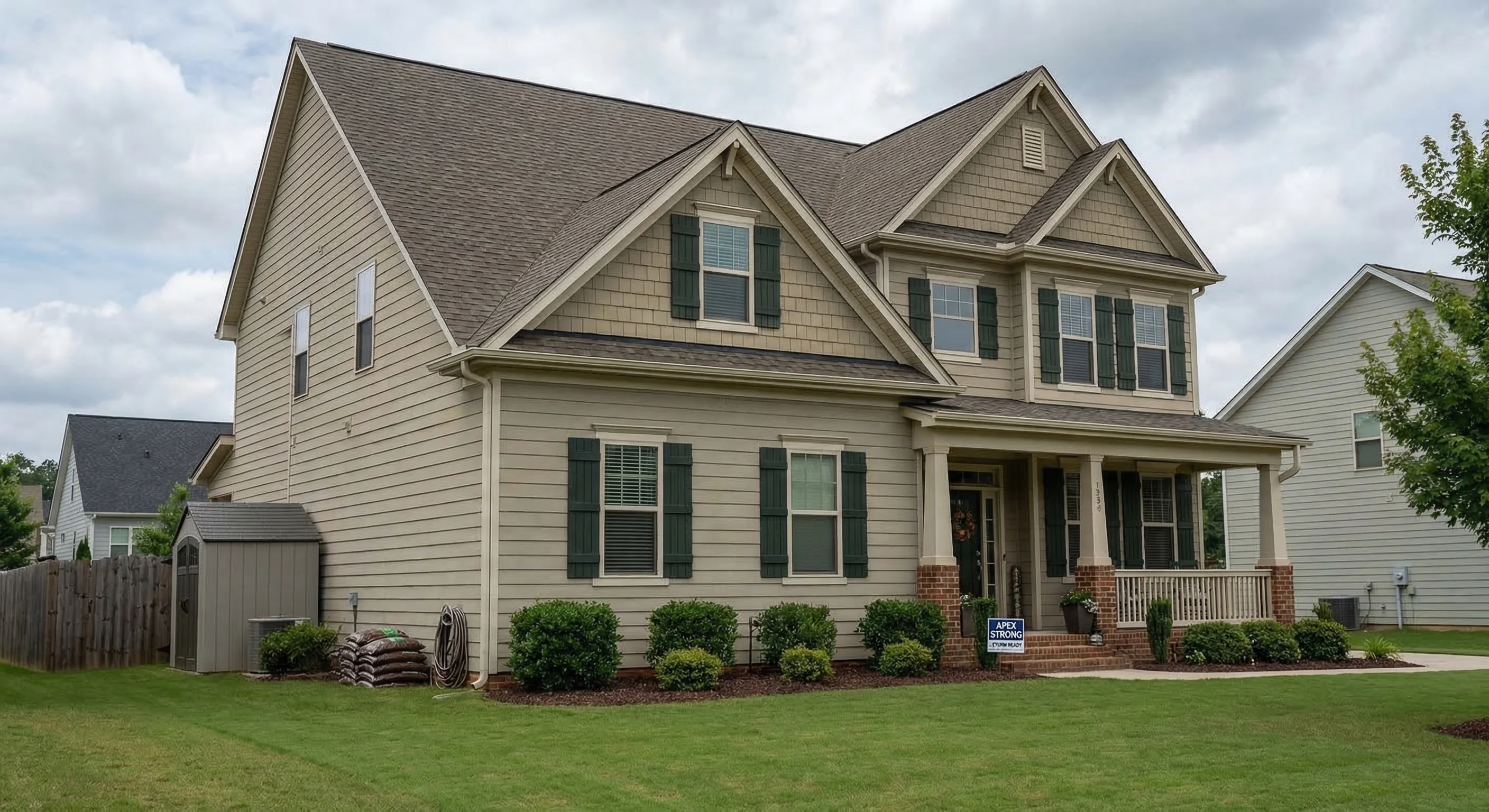
One of the biggest adjustments for newcomers to Apex is understanding the local climate. The good news: Apex enjoys four distinct seasons with relatively mild winters and long, warm summers. The less-good news: the Triangle region does experience severe weather events, from summer thunderstorms to occasional hurricanes and winter ice storms. Knowing what to expect and how to prepare will help you protect your home and family.
Spring (March through May): Spring in Apex is beautiful but unpredictable. Temperatures typically range from the low 50s in March to the mid-70s by late May. Dogwoods and azaleas bloom across town, and neighborhoods like Scotts Mill and Bella Casa are especially picturesque. However, spring also brings the most rainfall, averaging around 4 inches per month. Thunderstorms can develop quickly in the afternoons, sometimes producing hail and damaging winds.
Summer (June through August): Summers are hot and humid. Daytime highs regularly reach the low to mid-90s, and humidity can push the heat index above 100 degrees on the worst days. Overnight lows hover in the low 70s, so air conditioning is not optional. Afternoon thunderstorms are common, especially in July and August. The upside: long evenings are perfect for enjoying Jordan Lake, Apex Community Park, and the American Tobacco Trail.
Fall (September through November): Fall is arguably Apex's best season. September still feels like summer with highs in the 80s, but by October, temperatures settle into the 60s and 70s with lower humidity. November brings crisp mornings in the 40s. Fall foliage peaks in late October along the greenway trails and in the historic downtown area.
Winter (December through February): Winters in Apex are mild compared to the Northeast or Midwest. Average highs run in the 40s and 50s, with overnight lows in the upper 20s to low 30s. Snowfall is infrequent, averaging only 3 to 5 inches per winter season. However, when winter weather does arrive, it often comes as ice rather than snow, which can be far more disruptive.
Apex sits about 150 miles inland from the coast, which provides significant protection from hurricane-force winds. However, the remnants of tropical systems regularly bring heavy rain, flooding, and power outages to the Triangle. Two recent storms illustrate the risks:
Hurricane Matthew (October 2016) dumped 5 to 8 inches of rain on the Apex area over 48 hours. Beaver Creek, which runs through the heart of town, overflowed its banks in several spots. Some neighborhoods near Beaver Creek and along low-lying sections of Old Raleigh Road experienced yard flooding and, in a few cases, water intrusion into garages and crawl spaces. Power outages affected thousands of homes for up to three days.
Hurricane Florence (September 2018) was even worse for rainfall, dropping 6 to 10 inches on the western Wake County area over three days. Jordan Lake rose to near-record levels, and several roads leading to the lake recreation areas were impassable. In Apex proper, Beaver Creek flooding closed sections of Center Street near downtown. Some homes in flood-adjacent areas saw property damage.
The key takeaway for home buyers: if you are looking at properties near Beaver Creek, Jordan Lake, or in low-lying areas of western Apex, check the FEMA flood maps carefully. Homes in designated flood zones require separate flood insurance policies, which can add $800 to $2,000 or more per year to your carrying costs. Your real estate agent should flag any flood zone concerns during the buying process.
For many newcomers, ice storms are a bigger surprise than hurricanes. When temperatures hover right around freezing (32 degrees), rain can fall as supercooled water that freezes on contact with roads, power lines, and trees. Even a quarter-inch of ice accumulation can bring Apex to a standstill.
Major ice events in the Triangle occur every few years. When they hit, schools close for multiple days, roads become impassable (the Triangle has limited salt trucks and plows compared to northern states), and tree limbs snap under the weight of ice, bringing down power lines. Duke Energy, the primary electricity provider for Apex, stages crews in advance of ice storms, but outages lasting 24 to 72 hours are not uncommon during significant events.
Practical ice storm preparation tips for Apex homeowners:
Your HVAC system will work hard in Apex. A properly sized heat pump or central air system is essential. Most Apex homes built after 2000 use heat pump systems, which provide both heating and cooling efficiently down to about 30 degrees. Below that, auxiliary electric heat strips kick in, which significantly increases your power bill during cold snaps.
Average monthly Duke Energy bills for a typical 2,500-square-foot Apex home run around $150 to $200 in summer (heavy AC usage) and $120 to $180 in winter. Spring and fall bills drop to $80 to $120. Budget approximately $1,800 to $2,400 per year for electricity.
Have your HVAC system serviced twice a year: once in spring before cooling season and once in fall before heating season. Local HVAC companies like Air Experts, Santa Air, and Morris-Jenkins serve the Apex area. A seasonal tune-up typically costs $100 to $150.
When the power goes out, Duke Energy provides several tools for Apex residents:
For broader emergencies, Wake County operates a comprehensive emergency management system:
Apex's climate is one of its selling points. You get genuine seasons without the extremes of the Deep South or the Northeast. With a little preparation and the right home features (a solid HVAC system, proper drainage, generator backup for ice storms), you can weather anything the Triangle throws at you.
If you are house-hunting in Apex and want guidance on flood zones, storm-resilient home features, or neighborhood-specific considerations, contact us today. We will help you find a home that is ready for every season.